Insect Taxidermy by Tak Hau (@insect.ism)
2026
25 x 33 × 3 inches, framed in black
Tak Hau is a Los Angeles–based artist whose work transforms preserved insects into intricate, architectural compositions. Drawing from a background that bridges fashion design and entomological study, Hau replaces traditional materials with butterfly wings and insect specimens, constructing geometric arrangements that feel both precise and organic. The result is a body of work that sits between natural preservation and contemporary abstraction.
His practice is rooted in a long-standing fascination with the ephemeral—capturing and recontextualizing organisms that have completed their natural life cycle. Many of the specimens used in his work are sourced from butterfly farms and aviaries, where they are collected after passing naturally. This approach allows Hau to engage with themes of beauty, mortality, and transformation while maintaining a considered relationship to sustainability.
Visually, Hau’s compositions reference architectural and modernist design principles. Symmetry, repetition, and structure often guide the work, though he intentionally disrupts these systems with moments of asymmetry and tension. This interplay creates pieces that reward close looking—inviting a second glance, a shift in perception, or a deeper consideration of material and form.
Environmental awareness is central to his practice. By sourcing from regions where insect farming supports local economies, Hau’s work contributes to a broader ecosystem in which habitat preservation becomes economically viable. His studio, Insect.ism, also commits a portion of its annual profits to reforestation efforts through WeForest.
All specimens are legally obtained through licensed vendors, and none are from endangered species. Each work reflects a balance between ethical sourcing, technical precision, and a deep respect for the natural world.
Hau’s work ultimately asks viewers to reconsider their relationship to nature—not as something distant, but as something intricate, fragile, and worth preserving.
Insect Taxidermy by Tak Hau (@insect.ism)
2026
25 x 33 × 3 inches, framed in black
Tak Hau is a Los Angeles–based artist whose work transforms preserved insects into intricate, architectural compositions. Drawing from a background that bridges fashion design and entomological study, Hau replaces traditional materials with butterfly wings and insect specimens, constructing geometric arrangements that feel both precise and organic. The result is a body of work that sits between natural preservation and contemporary abstraction.
His practice is rooted in a long-standing fascination with the ephemeral—capturing and recontextualizing organisms that have completed their natural life cycle. Many of the specimens used in his work are sourced from butterfly farms and aviaries, where they are collected after passing naturally. This approach allows Hau to engage with themes of beauty, mortality, and transformation while maintaining a considered relationship to sustainability.
Visually, Hau’s compositions reference architectural and modernist design principles. Symmetry, repetition, and structure often guide the work, though he intentionally disrupts these systems with moments of asymmetry and tension. This interplay creates pieces that reward close looking—inviting a second glance, a shift in perception, or a deeper consideration of material and form.
Environmental awareness is central to his practice. By sourcing from regions where insect farming supports local economies, Hau’s work contributes to a broader ecosystem in which habitat preservation becomes economically viable. His studio, Insect.ism, also commits a portion of its annual profits to reforestation efforts through WeForest.
All specimens are legally obtained through licensed vendors, and none are from endangered species. Each work reflects a balance between ethical sourcing, technical precision, and a deep respect for the natural world.
Hau’s work ultimately asks viewers to reconsider their relationship to nature—not as something distant, but as something intricate, fragile, and worth preserving.

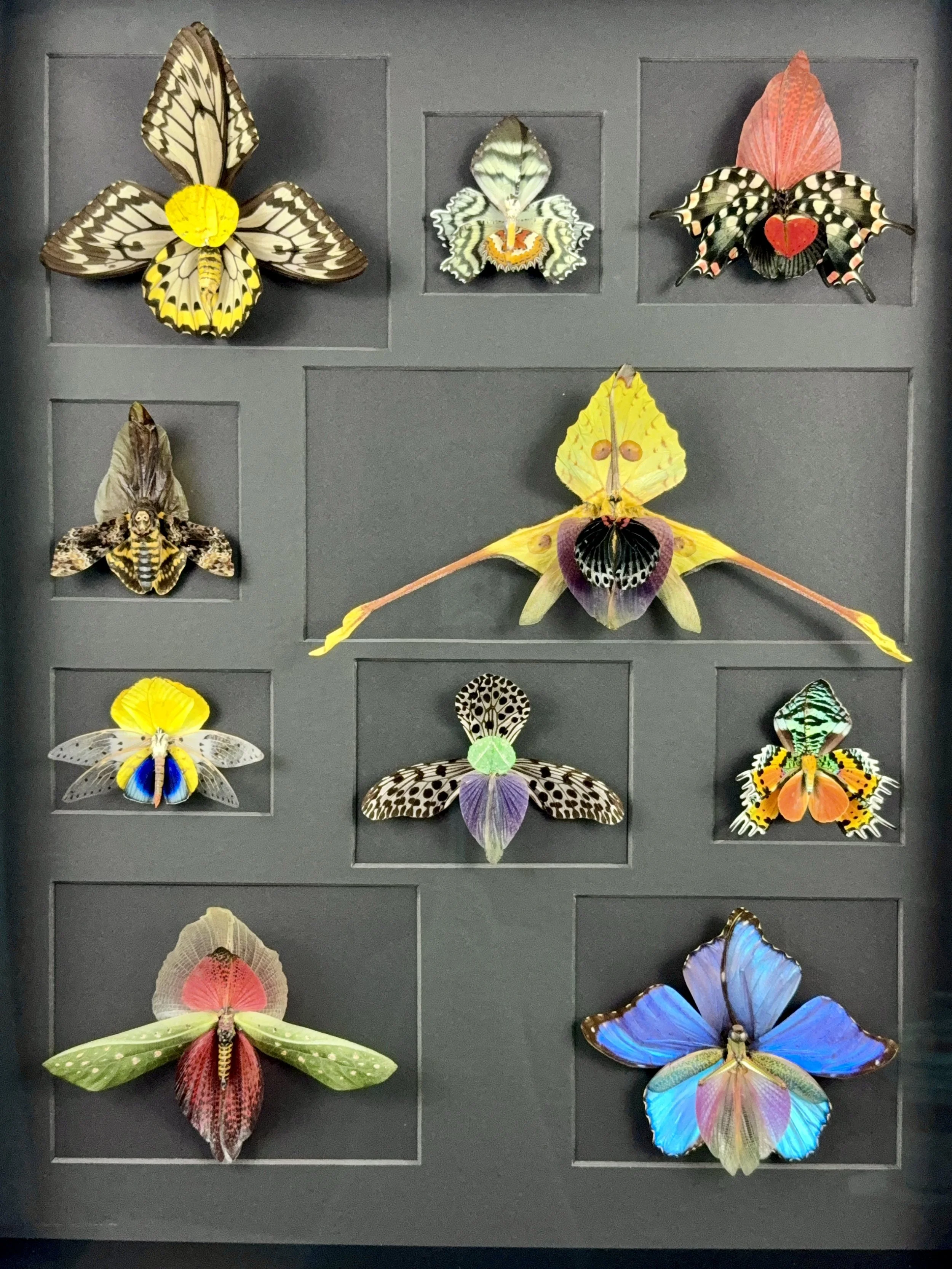 Image 1 of 13
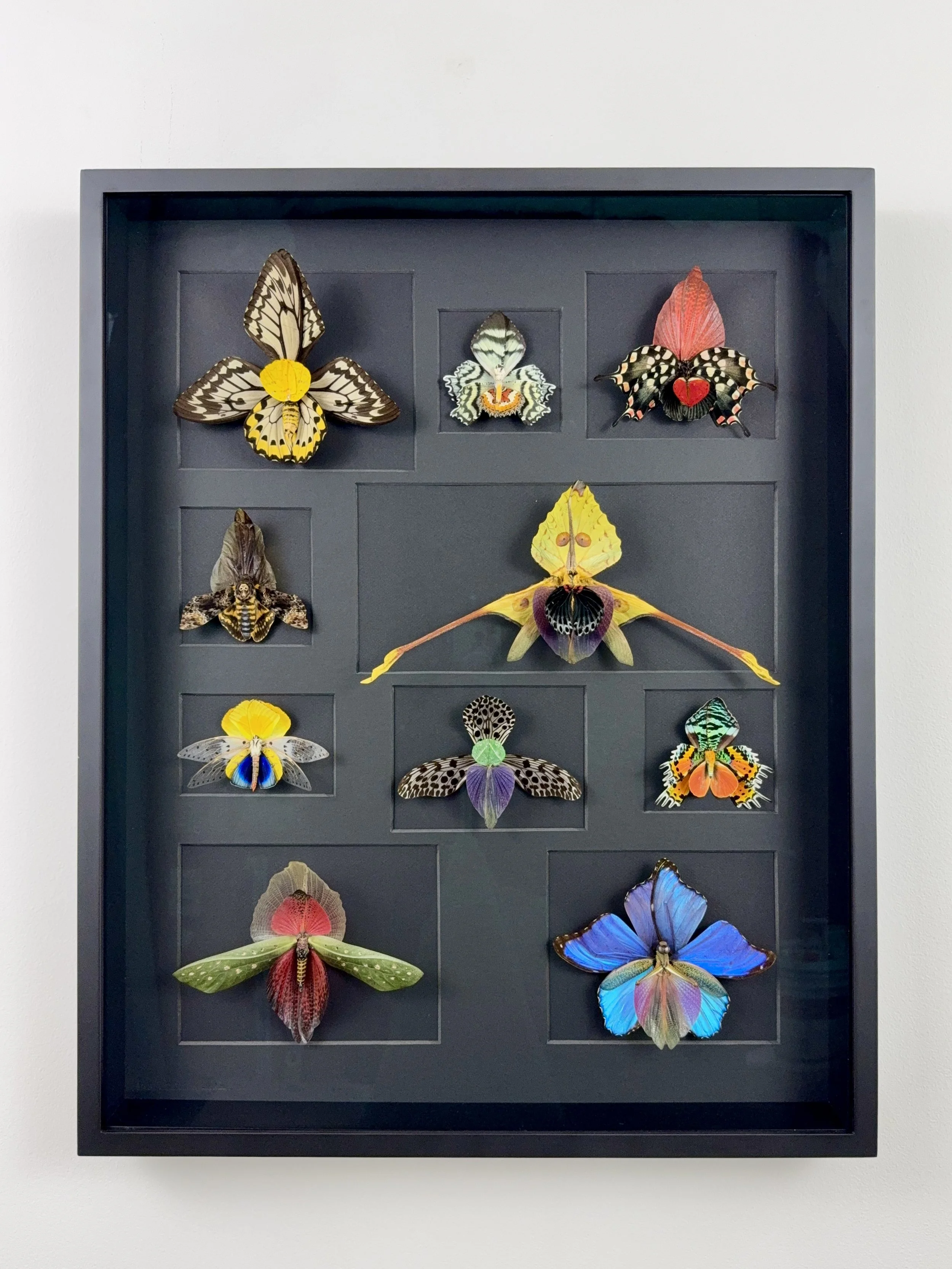 Image 2 of 13
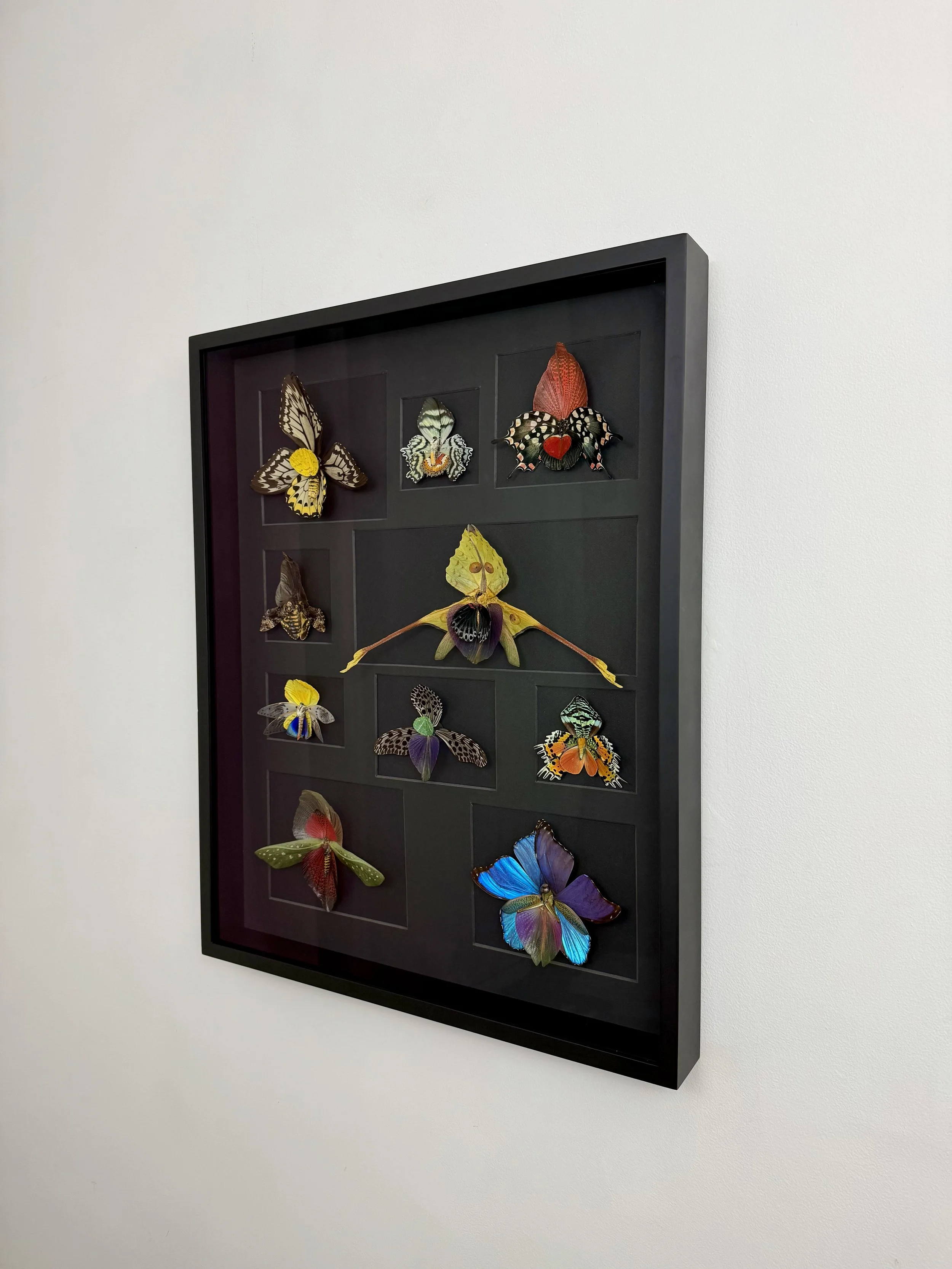 Image 3 of 13
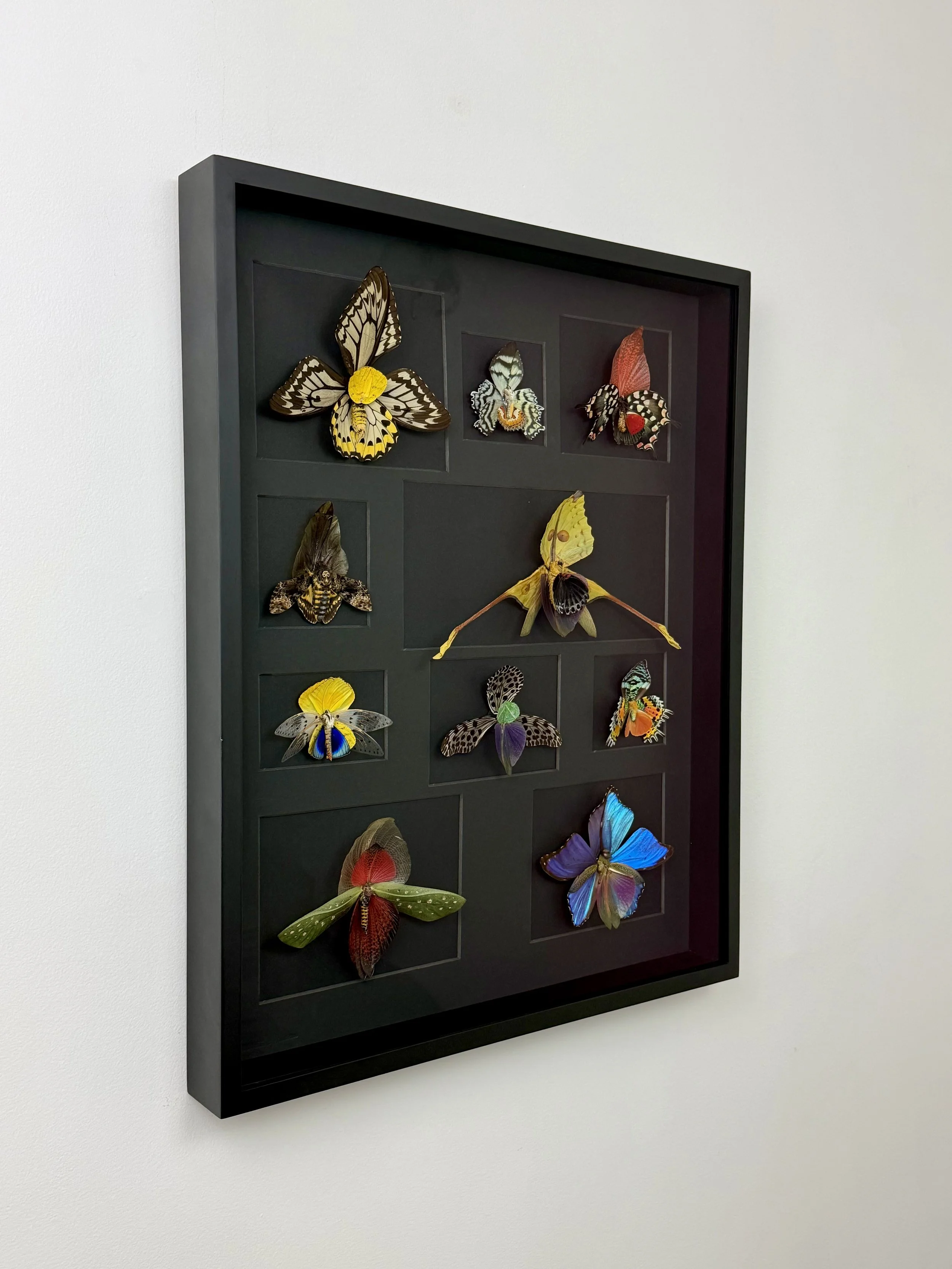 Image 4 of 13
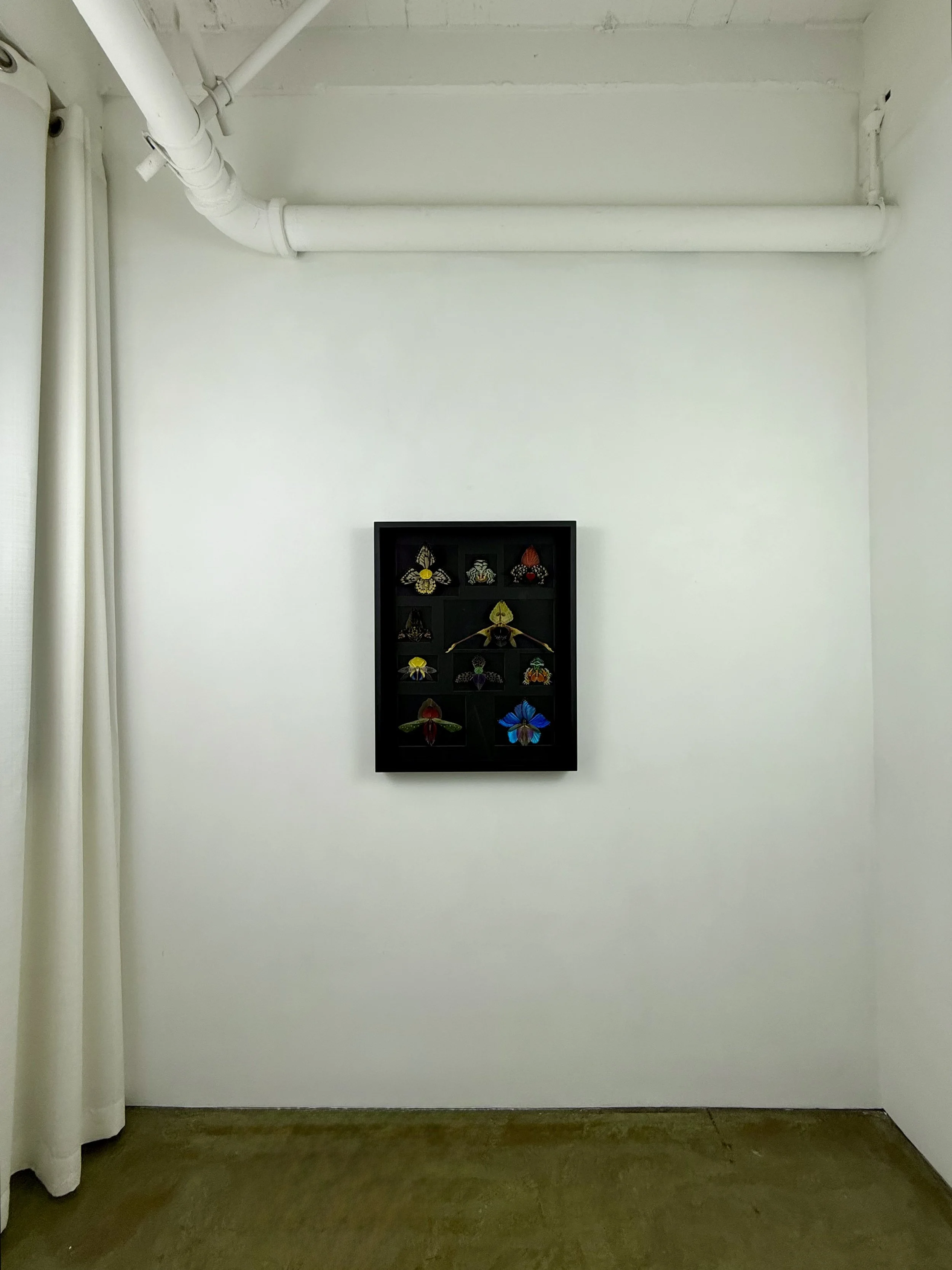 Image 5 of 13
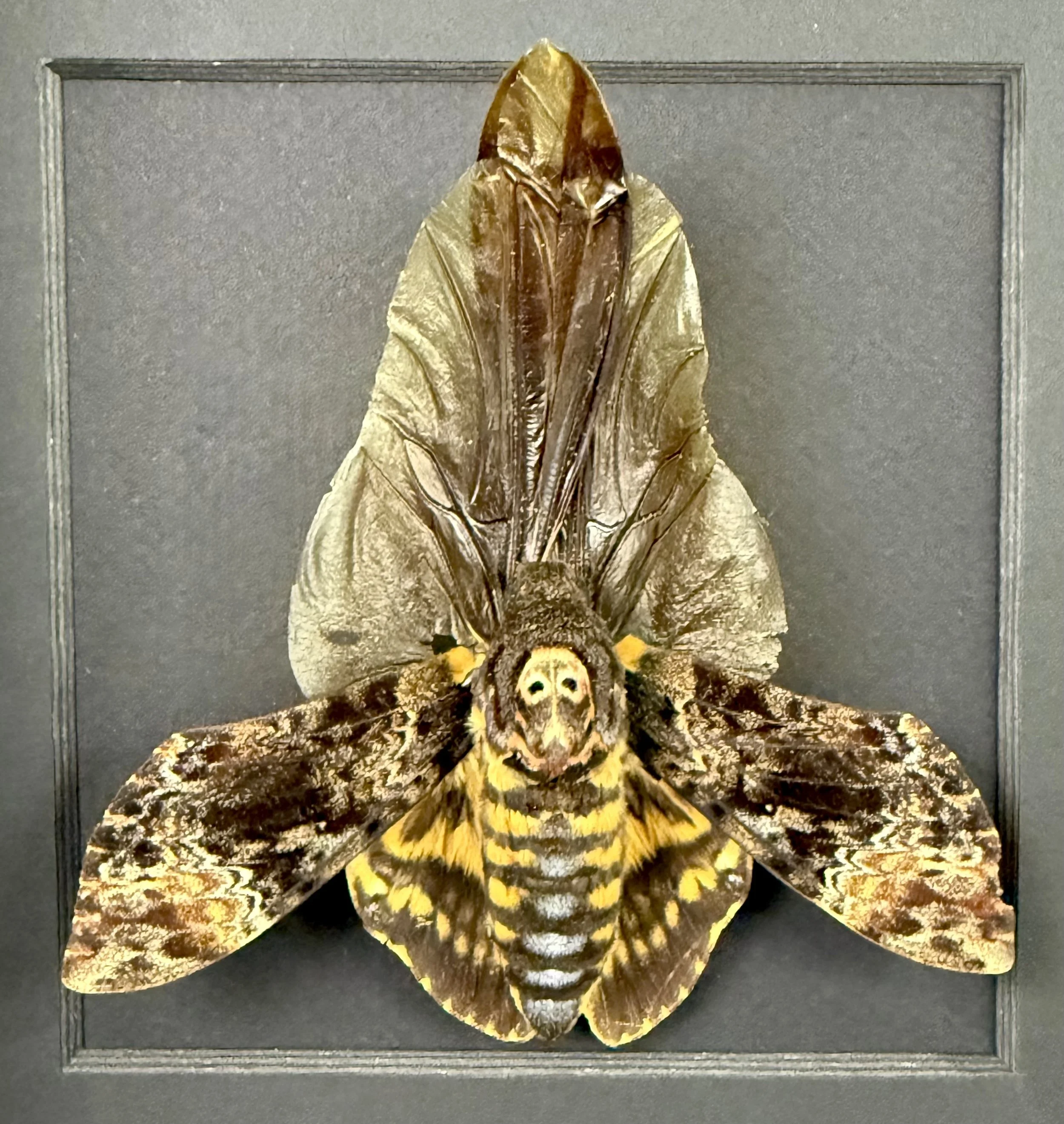 Image 6 of 13
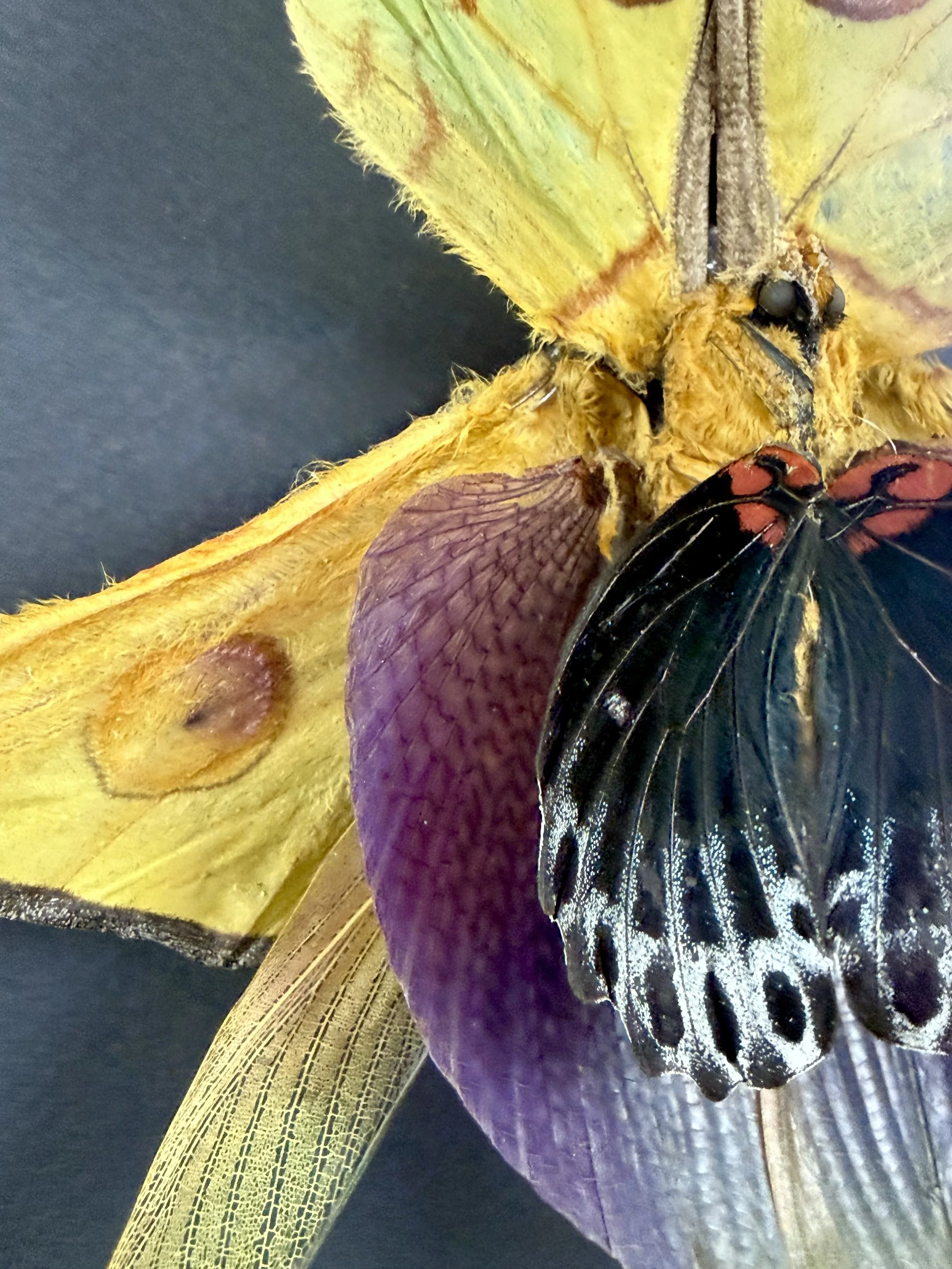 Image 7 of 13
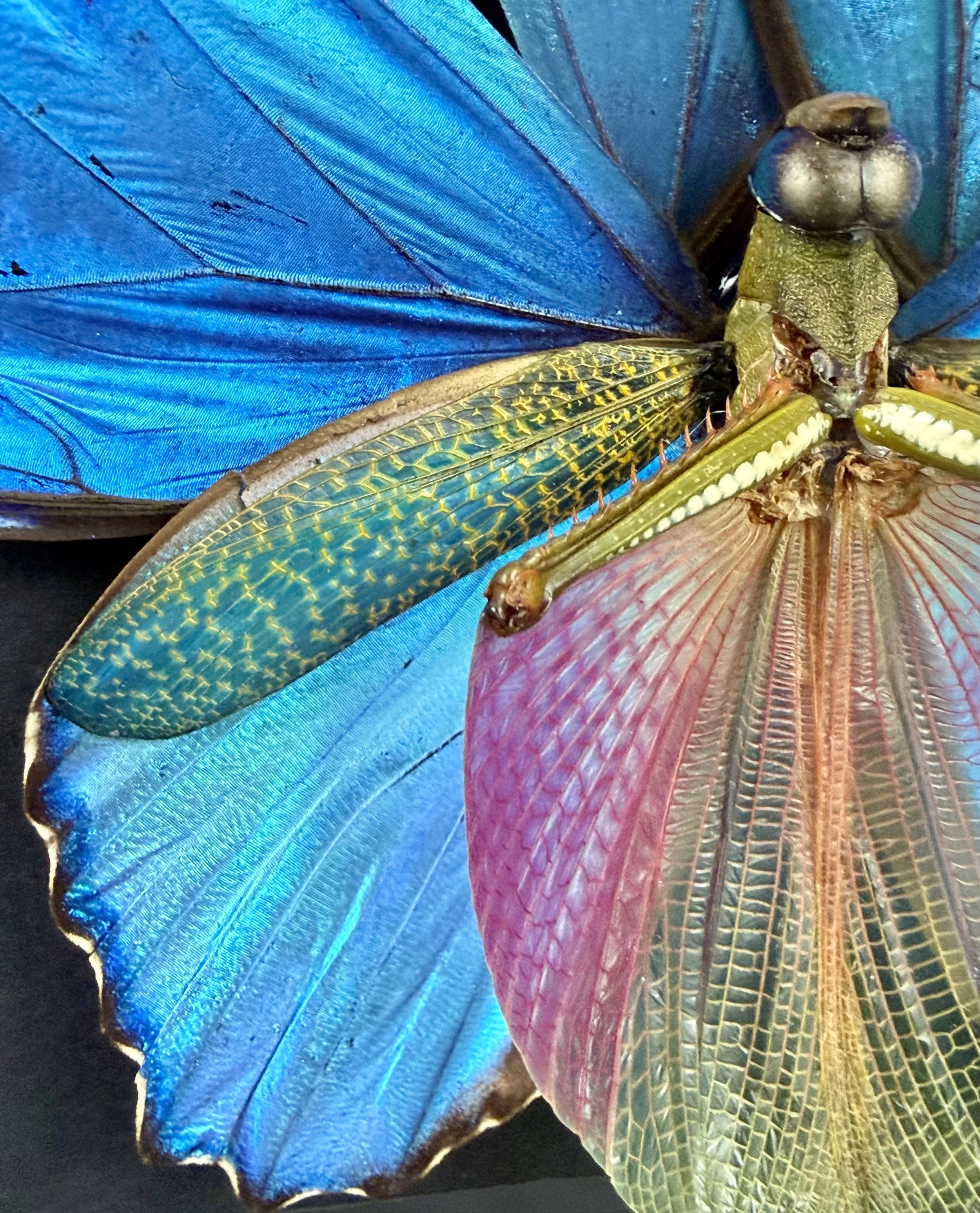 Image 8 of 13
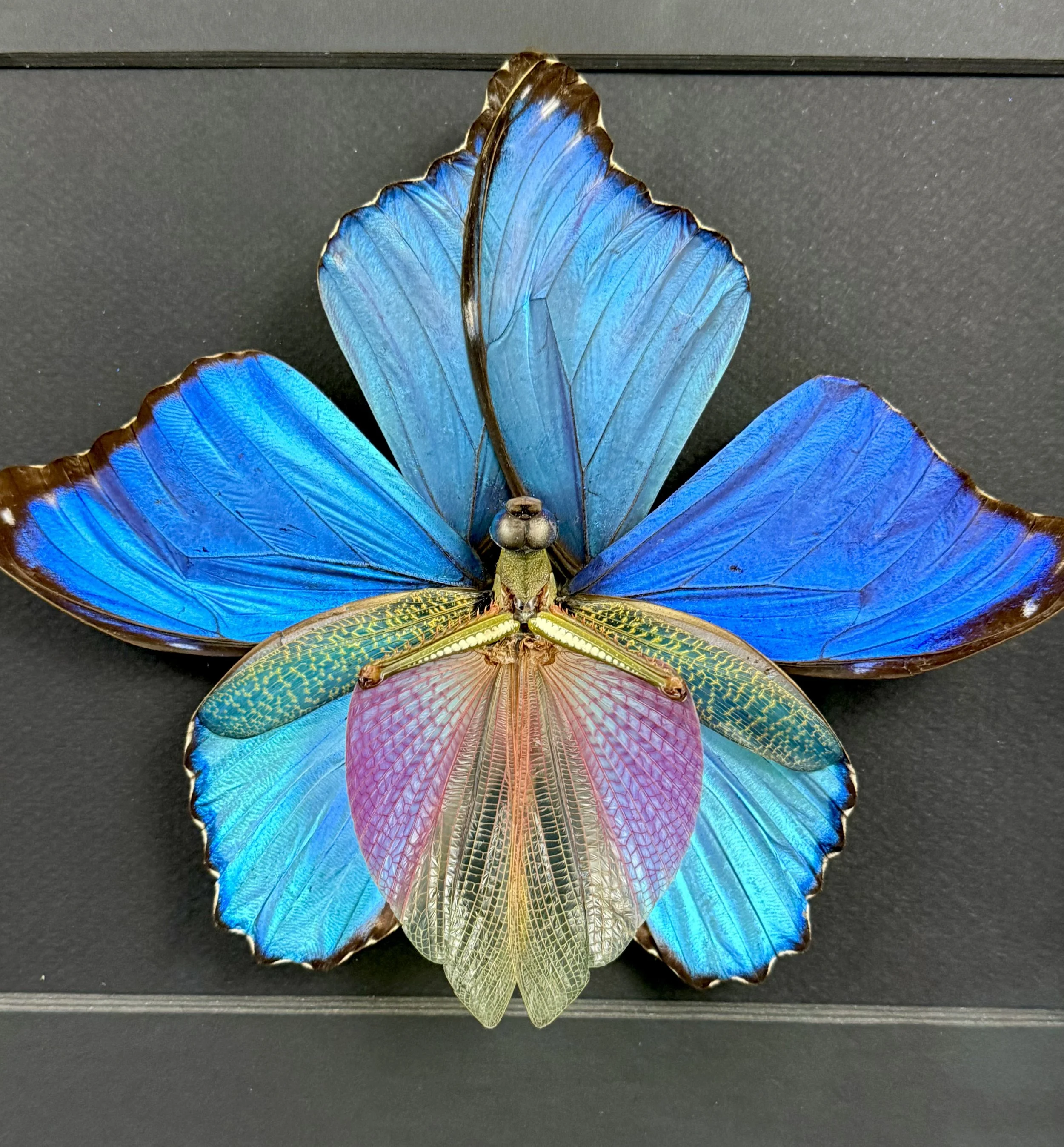 Image 9 of 13
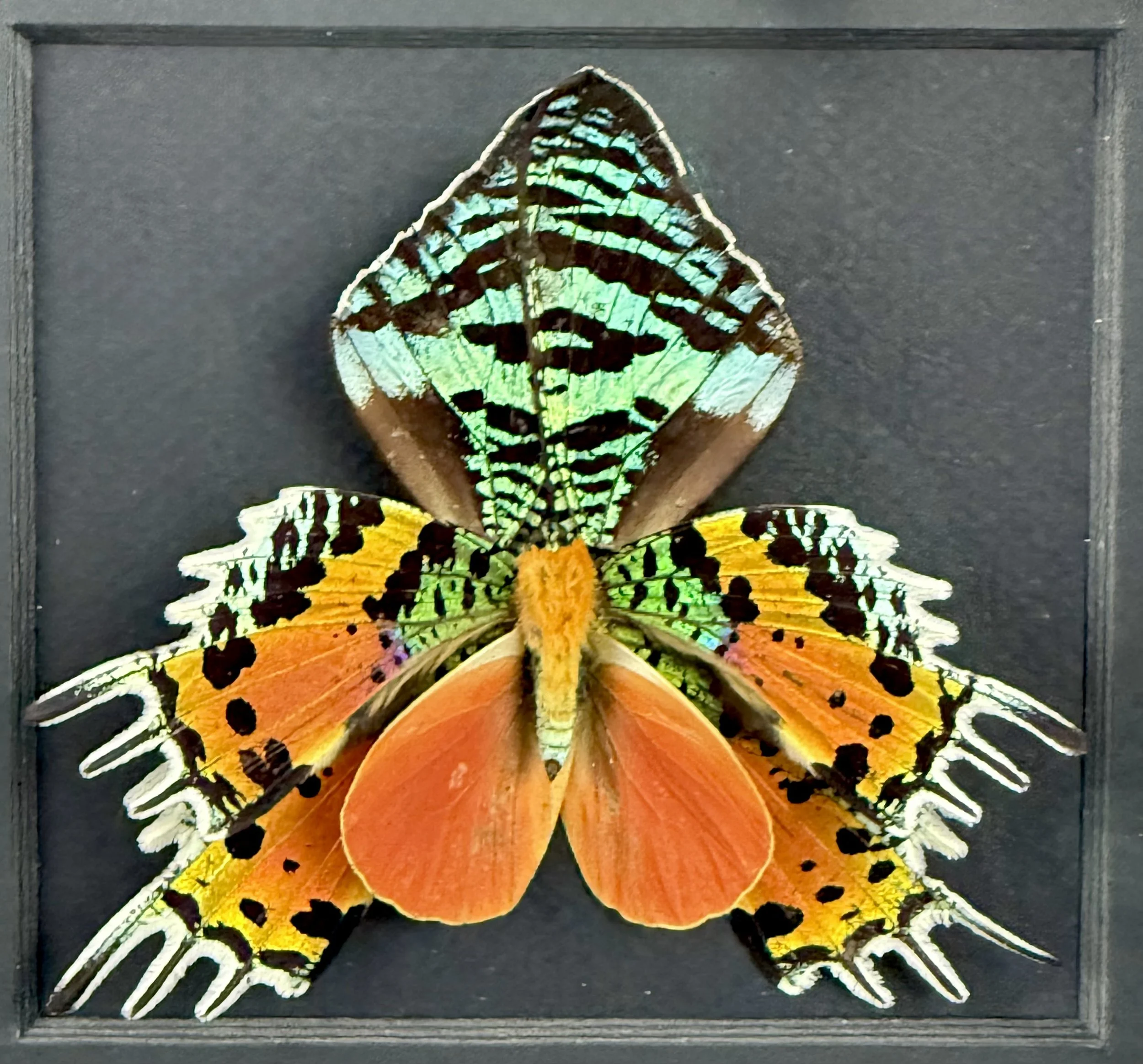 Image 10 of 13
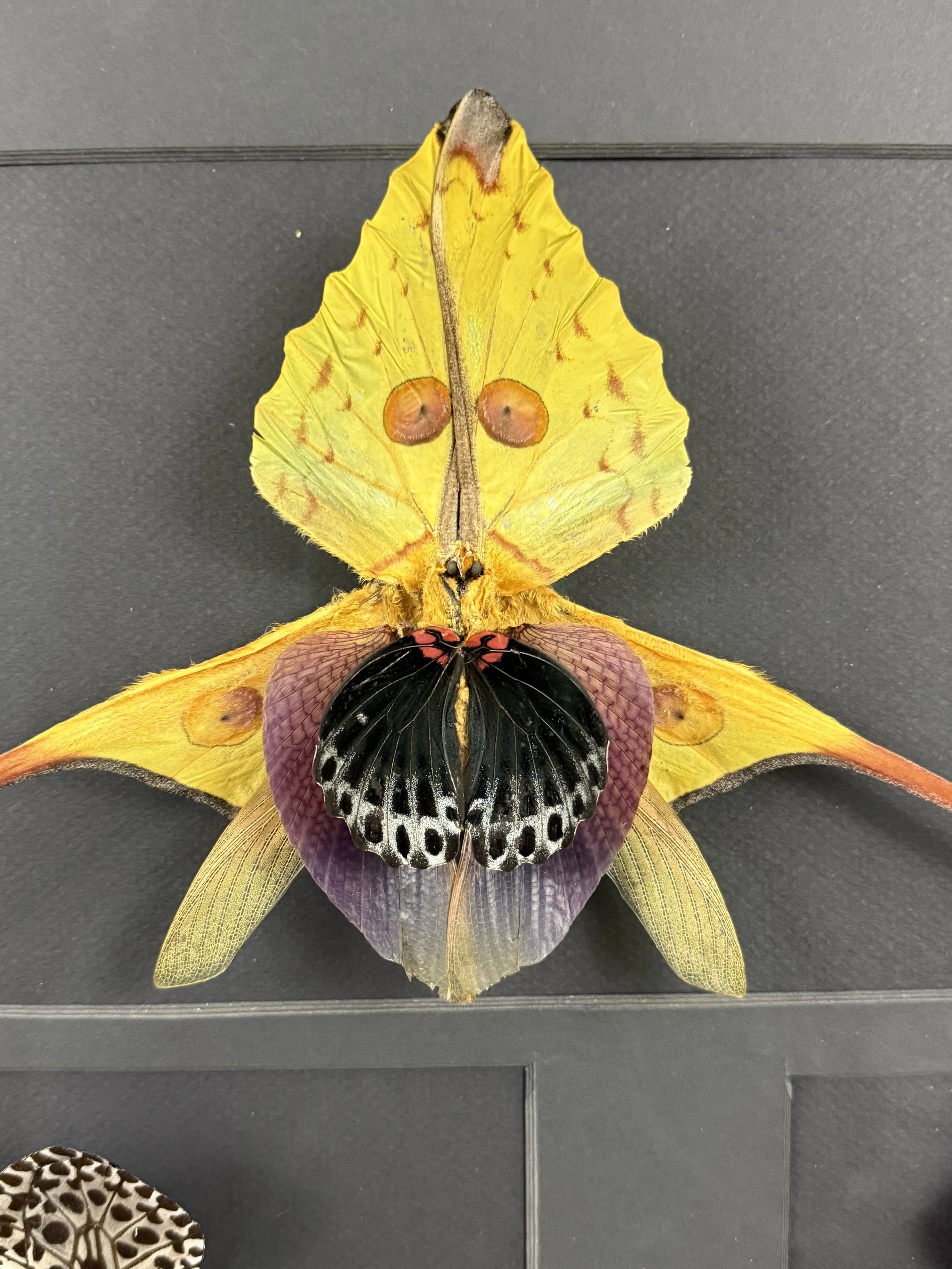 Image 11 of 13
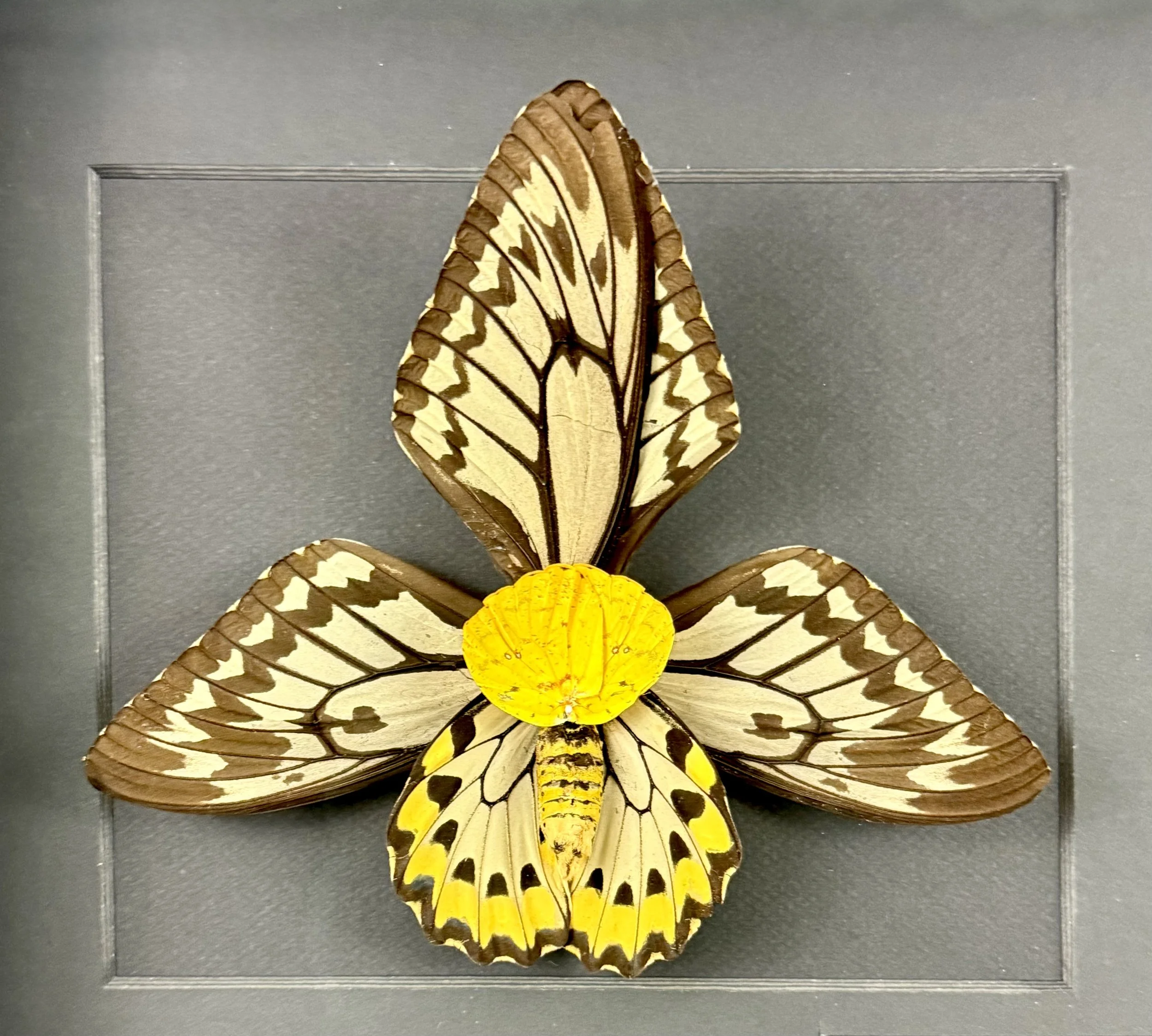 Image 12 of 13
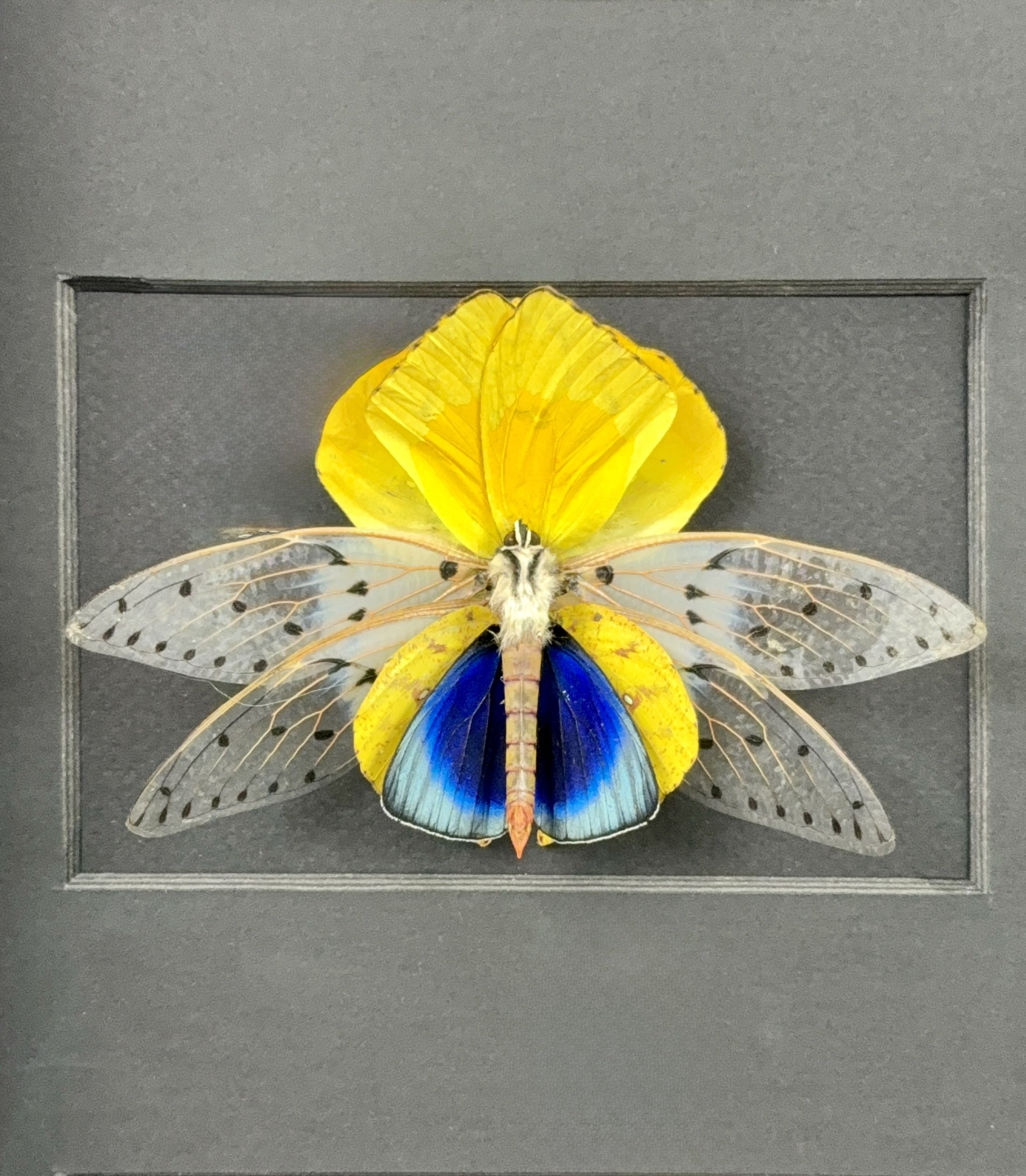 Image 13 of 13